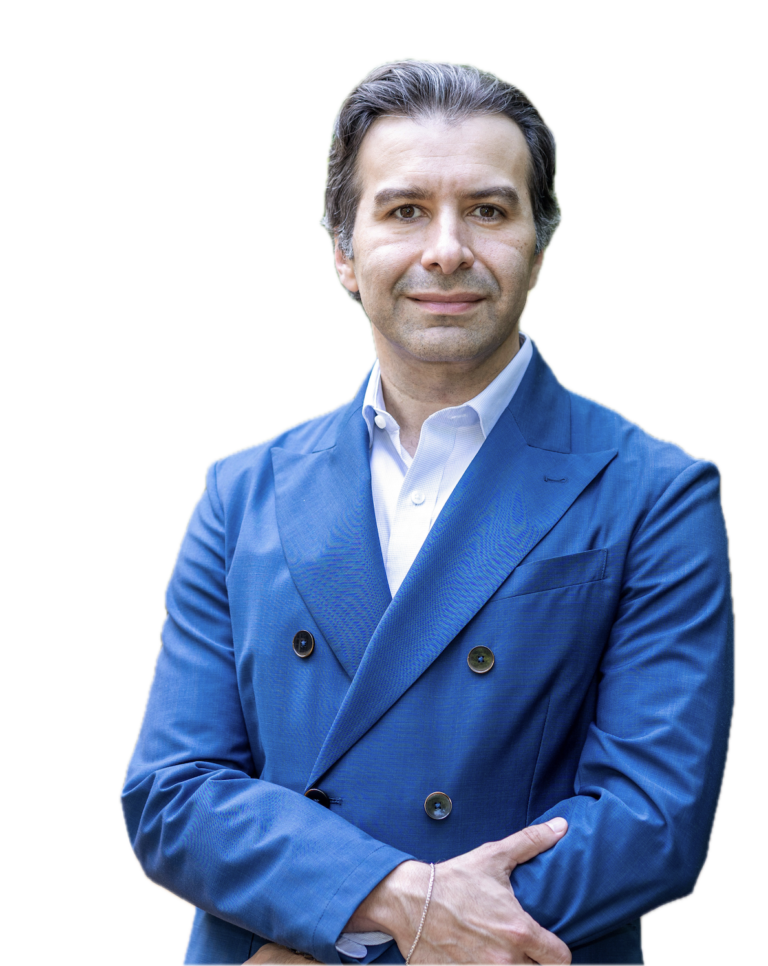

Finding a doctor who understands your medical concerns is important. Finding a doctor who understands them in your own language is something else entirely. For many families across Northern Virginia, working with an Arabic speaking doctor Fairfax VA residents can rely on means the difference between a rushed, confusing appointment and a visit where every question gets answered clearly, without anything getting lost along the way.
Why Language Matters in Healthcare
Medical conversations are already stressful, even when everyone speaks the same language fluently. Add a language barrier, and small misunderstandings can turn into real problems.
What Gets Lost in Translation
Even with a translator in the room, subtle details can slip through the cracks:
- Describing pain accurately (“sharp” versus “dull” versus “burning” doesn’t always translate cleanly)
- Understanding medication instructions, including timing and dosage
- Explaining family medical history in enough detail to be useful
- Asking follow-up questions without feeling rushed or embarrassed
Why Direct Communication Changes Outcomes
When a patient can speak directly with their doctor, without a third party relaying information back and forth, several things tend to improve:
- Diagnoses happen faster, because symptoms are described precisely the first time
- Patients are more likely to follow treatment plans they fully understood
- Trust builds naturally, which makes patients more comfortable bringing up sensitive topics
- Fewer follow-up visits are needed just to clarify something that was missed the first time
Finding an Arabic Speaking Doctor Fairfax VA Families Trust
Northern Virginia has a large and growing Arabic-speaking community, and the demand for culturally aware, linguistically accessible healthcare has grown right along with it.
What to Look For in a Bilingual Practice
Not every office that lists “interpreter available” offers the same experience. It’s worth asking:
- Does the doctor personally speak Arabic, or is a phone interpreter used for every visit?
- Are intake forms and after-visit summaries available in Arabic?
- Does front-desk staff speak Arabic too, so scheduling and billing questions are just as easy?
- Is the office familiar with cultural considerations around family involvement in care decisions?
Common Concerns Addressed More Comfortably in Arabic
Certain topics come up more naturally, and more honestly, when patients aren’t translating their thoughts in their head first:
- Chronic condition management, like diabetes or high blood pressure
- Women’s health topics that some patients find easier to discuss in their native language
- Mental health and stress, which is often harder to describe accurately in a second language
- End-of-life or advance care planning conversations with extended family involved
Benefits of Bilingual Care Beyond Just Translation
Speaking the same language is only part of the picture. Cultural familiarity matters just as much.
A doctor who understands dietary customs during Ramadan, common home remedies patients may already be using, or the role extended family plays in medical decisions can build a treatment plan that actually fits a patient’s life, rather than one that technically makes sense on paper but gets ignored at home. That kind of fit tends to lead to better long-term outcomes, not just a more pleasant appointment.
Consider medication timing during Ramadan as one small example. A patient managing diabetes needs their dosing schedule adjusted around fasting hours, and that conversation goes far more smoothly when the doctor already understands the context instead of needing it explained from scratch through a translator. The same is true for dietary counseling, where suggesting substitutes for common dishes actually eaten at home works better than generic advice pulled from a pamphlet.
Building Long-Term Trust, Not Just One-Time Visits
Patients who feel understood tend to stick with the same doctor for years rather than bouncing between urgent care clinics whenever something comes up. That continuity matters. A provider who already knows your history, your family situation, and your preferences can catch patterns over time that a new doctor meeting you for the first time simply can’t.
Signs Your Current Doctor’s Office May Not Be Meeting Your Needs
If you’ve been putting off appointments or leaving visits with unanswered questions, it may not be a reflection on your health at all. It could simply mean the communication piece isn’t working. A few common signs worth paying attention to:
- You leave appointments unsure what your doctor actually said about your treatment plan
- You rely on a phone interpreter that connects partway through the visit, cutting into your time
- You’ve stopped bringing up certain symptoms because explaining them feels too difficult
- A family member has to sit in on every visit just to translate basic instructions
None of these are your fault, and none of them mean you need to settle. They’re simply signs it may be worth switching to a practice built around clear, direct communication from the start.
What to Expect at Your First Visit
If you’re new to a practice with an Arabic speaking doctor Fairfax VA patients recommend, here’s generally how the first appointment goes:
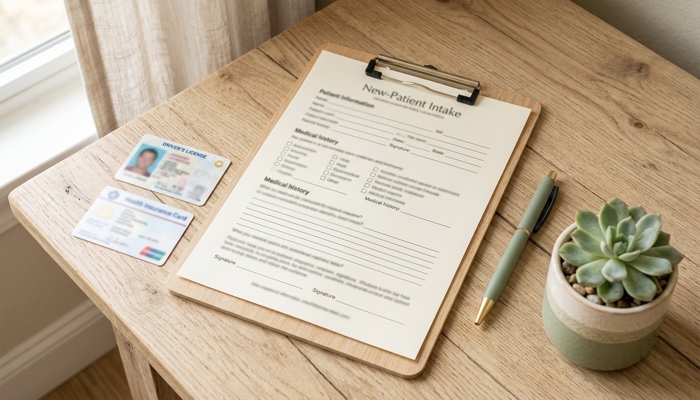
- Intake — Paperwork is completed, often available in Arabic if the practice offers it.
- Medical history review — You’ll walk through your history directly with your doctor, in as much detail as needed.
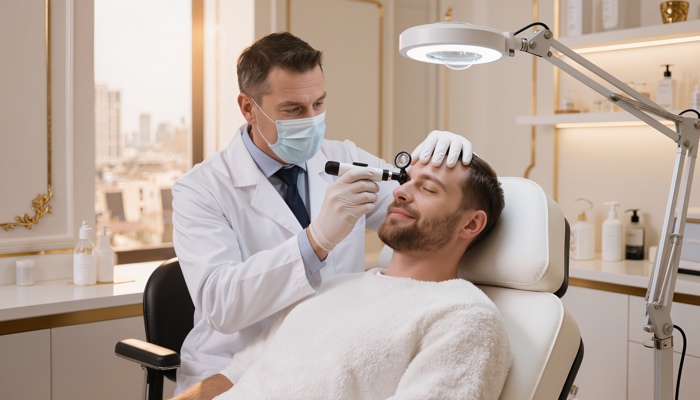
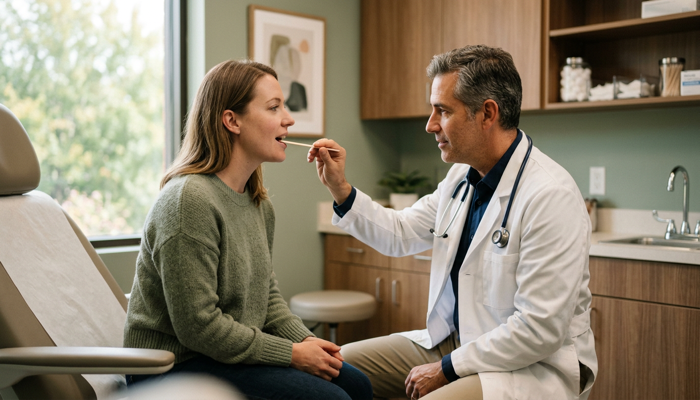
- Physical exam and discussion — Concerns are addressed one at a time, with room for questions.
- Treatment plan — You’ll leave with a clear plan, explained in a way that actually makes sense to you.
- Follow-up scheduling — Staff can help set future visits and coordinate with any specialists.
Serving the Arabic-Speaking Community in Fairfax and Nearby Cities
Patients travel from Fairfax, Vienna, Falls Church, Annandale, and the broader Northern Virginia area specifically to find a provider who can communicate with them clearly and treat them with cultural understanding, not just technical competence. That extra layer of comfort often makes patients more willing to come in early for a concern, rather than waiting until it becomes urgent.
Frequently Asked Questions
Is an interpreter the same as an Arabic speaking doctor? Not quite. An interpreter helps bridge the gap, but nuance can still be lost, especially with medical terms that don’t translate word-for-word. Speaking with a doctor who is directly fluent in Arabic tends to lead to clearer, more accurate conversations and fewer follow-up calls to clarify something.
Do I need to bring a family member to translate for me? Not if your provider speaks Arabic directly. Many patients actually prefer having private conversations with their doctor rather than relying on a family member to translate sensitive topics like mental health, reproductive health, or a difficult diagnosis.
Are medical forms and instructions available in Arabic? This varies by practice, so it’s worth asking directly when you schedule your appointment. Some offices offer translated intake paperwork and after-visit summaries, while others rely on verbal explanation only.
How do I find an Arabic speaking doctor Fairfax VA has available? Start by calling local practices directly and asking whether the doctor personally speaks Arabic, since some offices only offer phone interpreter services rather than a bilingual physician. It’s a fair question to ask upfront, and a good practice won’t mind being asked directly.
Schedule Your Visit With an Arabic Speaking Doctor Fairfax VA Trusts
Pioneer Medical Associates
8316 Arlington Boulevard, Suite 630, Fairfax, VA 22031
(703) 344-1172
Call today or book online to schedule your Botox consultation and take the first step toward refreshed, natural-looking results.